
What is a Liberatory Educator?
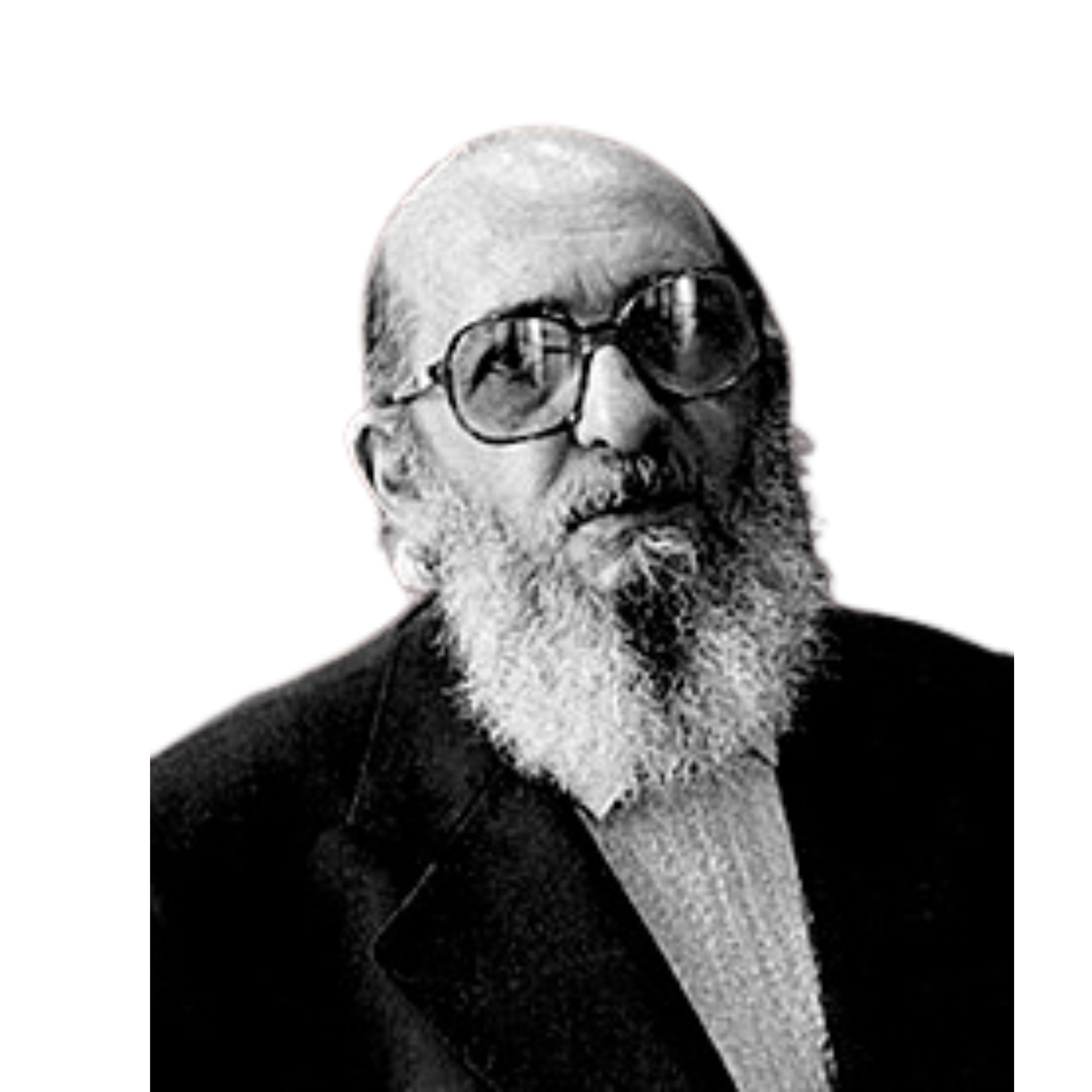
"Washing one's hands of the conflict between the powerful and the powerless means to side with the powerful, not to be neutral."
- Paulo Freire
Education is not a neutral institution, whether or not you believe that some things should or shouldn't be in the classroom. Every interaction with information must be handled responsibly, but above all, it should involve the WHOLE student in an effort to bring about a critical consciousness. This means teaching in a way that involves every aspect of that student's knowledge, experiences, and culture as central to their education. By allowing students to make sense of their experiences with new information, we allow opportunities for students to be able to unveil oppression that exists in their lives. This is the theoretical framework detailed in Paulo Freire's book, Pedagogy of the Oppressed and later expanded on by other theorists like bell hooks and Henry Giroux called Critical Pedagogy.
What is Critical Pedagogy?
A Critical Pedagogy is mainly composed of a few parts.

These parts add up to what's called a "liberatory education" because the goal of Critical Pedagogy is to encourage a critical consciousness through awareness of a student's material conditions which empowers them to act on those conditions.
What Exactly is Critical Consciousness?
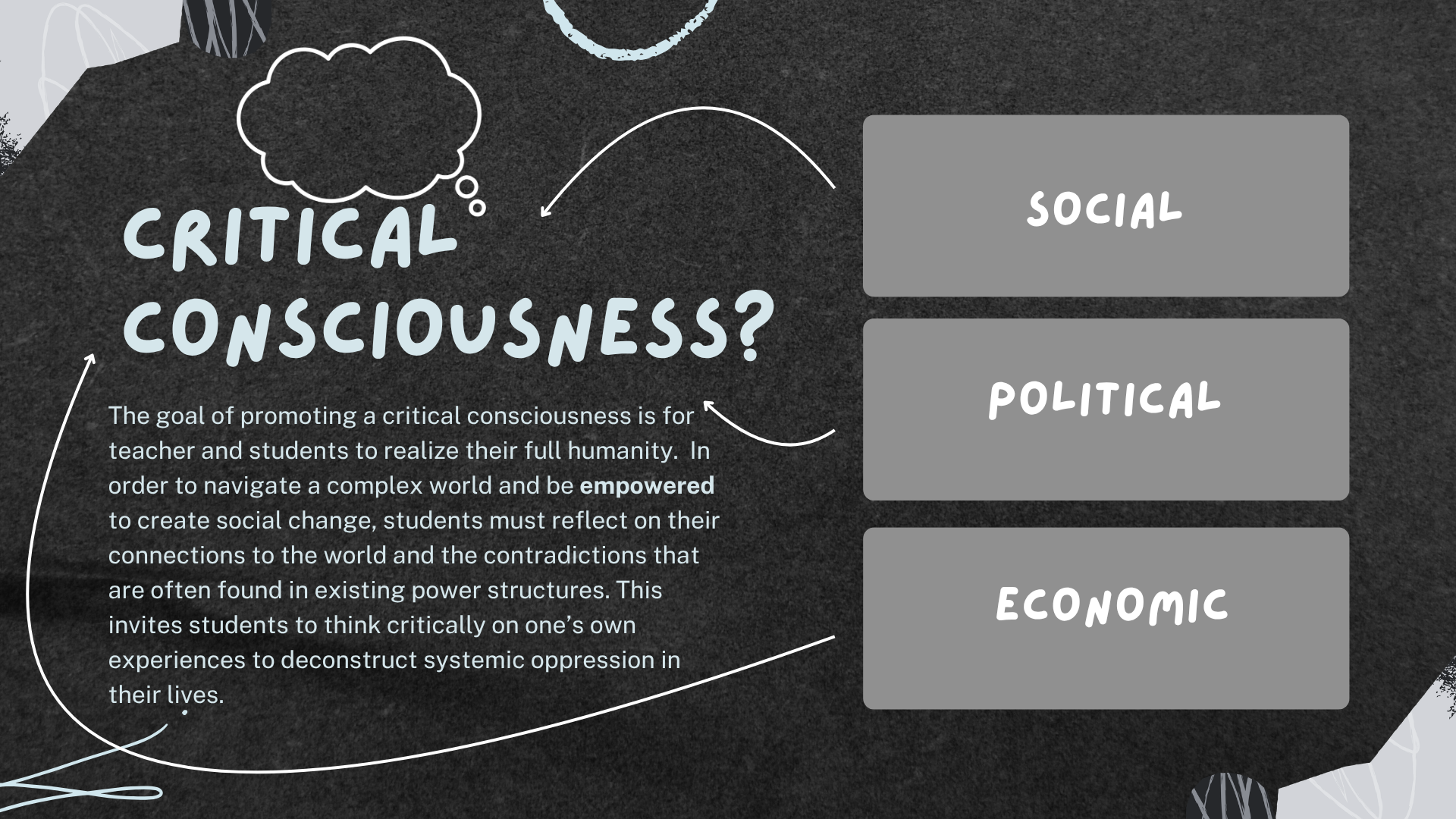
Being human means being able to change your conditions, act toward that change, and have an awareness of those conditions. By making students aware, we are empowering them to make the changes necessary to improving those conditions!
Alright, but what's a good way to do that in the classroom?
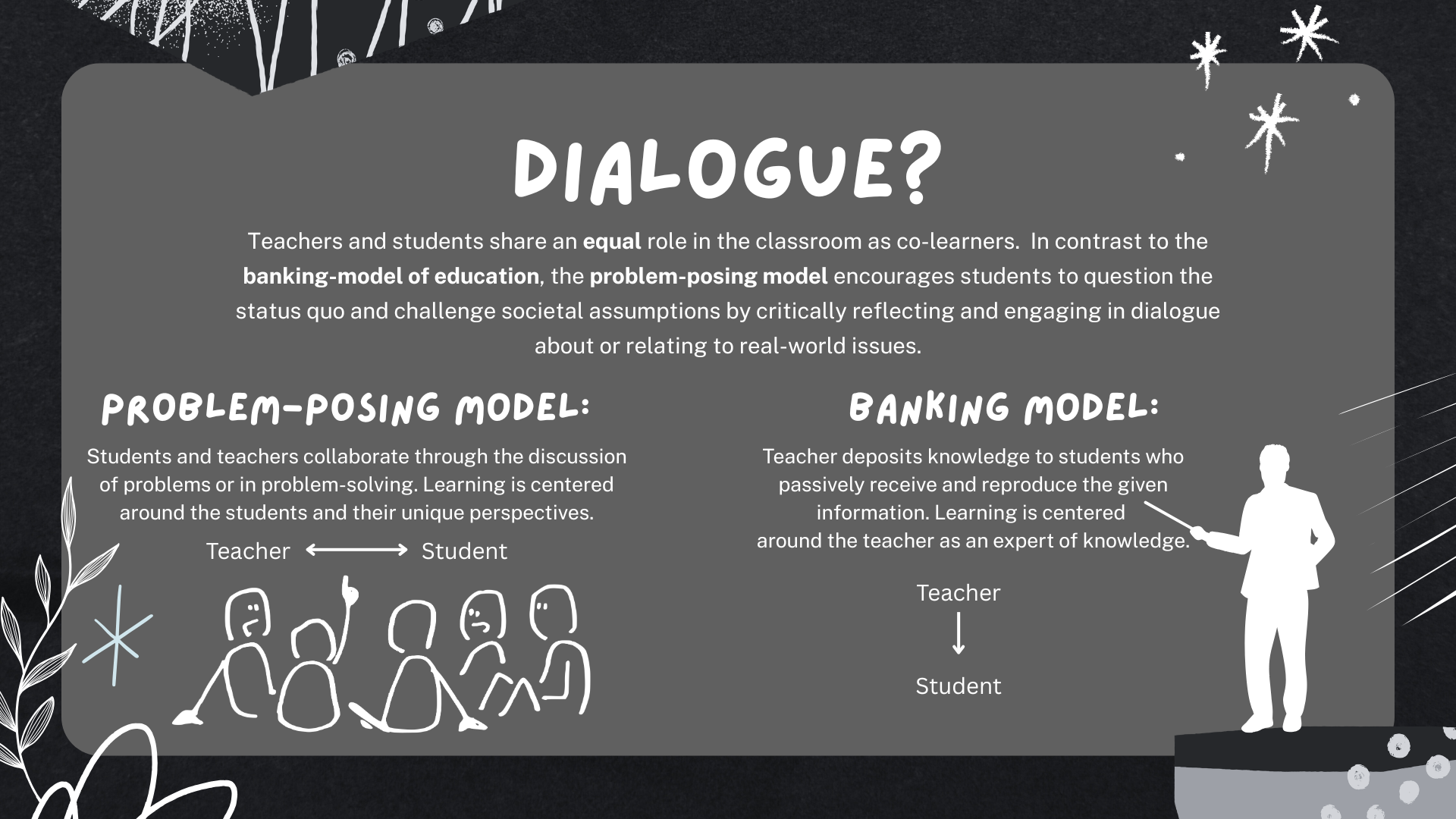 Collaborative learning structures like Kagan activities excel with this framework! Instead of having students perform recall tasks like remembering answers for tests or "depositing" that information as it is known in the banking-model of education, Critical Pedagogy requires a problem-posing model of education where teacher and student become co-learners in solving problems. Instead of centering the learning around the teacher, it uses EVERYONES unique perspectives!
Last but Not Least
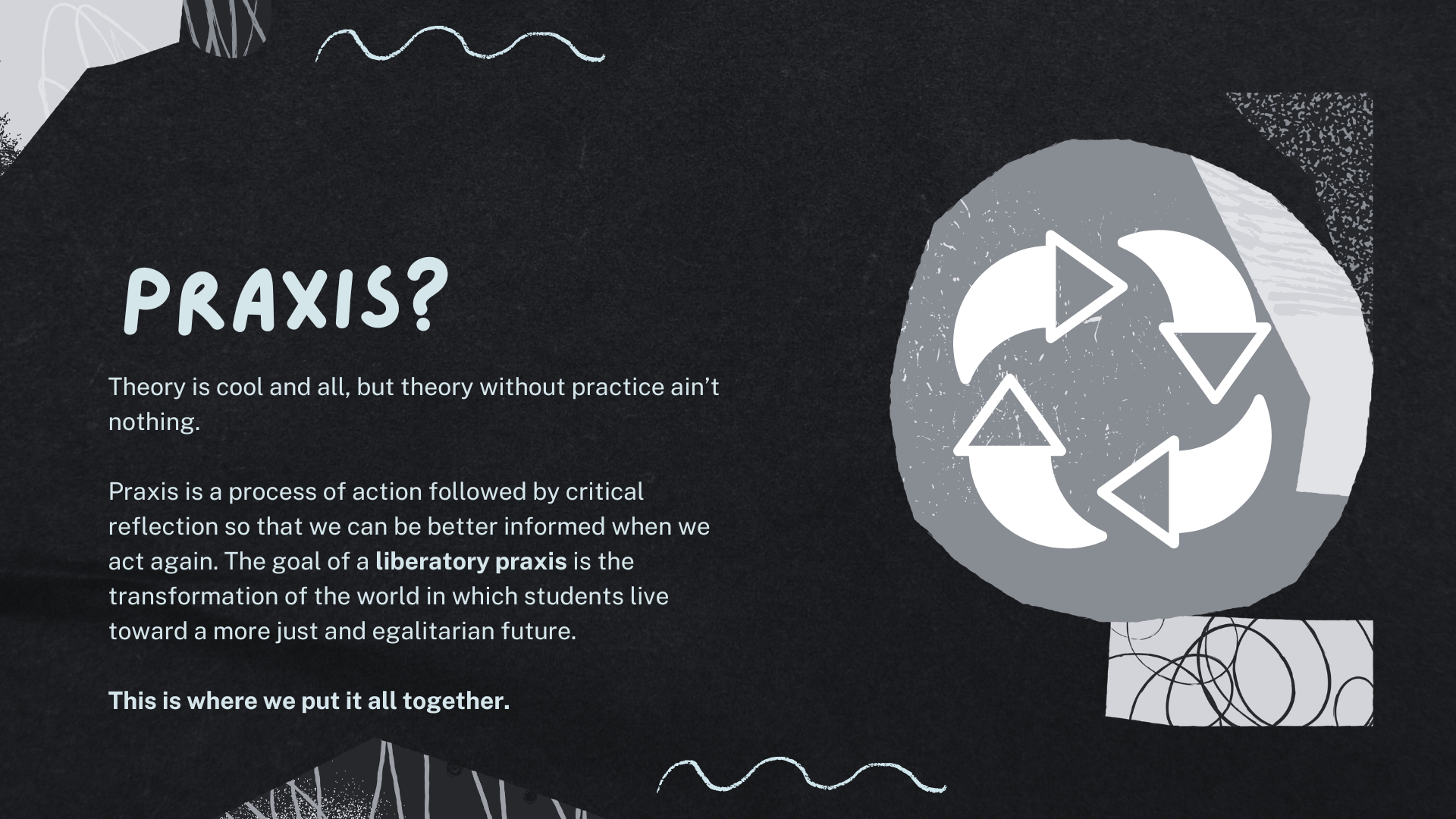
The cycle of learning, then acting, and reflecting is what's called a praxis. This is the central component that creates a liberatory praxis in your classroom. Everyone's will be different since everyone will teach a different way, but this provides a framework for teachers to empower students in a fight for the future!